Hours

Adoption Center Hours:
Sun. - Mon. Noon to 5 p.m.
Tue. – Fri. Noon to 7 p.m.
Sat. 11 a.m. to 6 p.m.

Hours

Donation Drop-off Hours:
Sun. - Mon. 8 a.m. to 5 p.m.
Tue. – Fri. 8 a.m to 7 p.m.
Sat. 11 a.m. to 6 p.m.

Administration:
Mon. – Fri. 8 a.m. to 5 p.m.

Hours

Susan M. Markel Veterinary Hospital
Mon. – Fri. 8 a.m. to Noon, 1 p.m. to 6 p.m.
Sat. – Sun. Closed

Smoky's Spay & Neuter Clinic
Mon. – Thurs. 7:30 a.m. to 3:30 p.m.
Fri. – Sun. Closed

Adoption Center Hours:
Sun. - Mon. Noon to 5 p.m.
Tue. – Fri. Noon to 7 p.m.
Sat. 11 a.m. to 6 p.m.
Hours

Administration:
Mon. – Fri. 8 a.m. to 5 p.m.

Lora Robins Gift Shop
Sun. - Mon. Noon to 5 p.m.
Tue. – Fri. Noon to 7 p.m.
Sat. 11 a.m. to 6 p.m.

Adoption Center Hours:
Sun. - Mon. Noon to 5 p.m.
Tue. – Fri. Noon to 7 p.m.
Sat. 11 a.m. to 6 p.m.

Donate

What is Kitten Season?

Kitten Season Explained: What's Happening & Why it matters

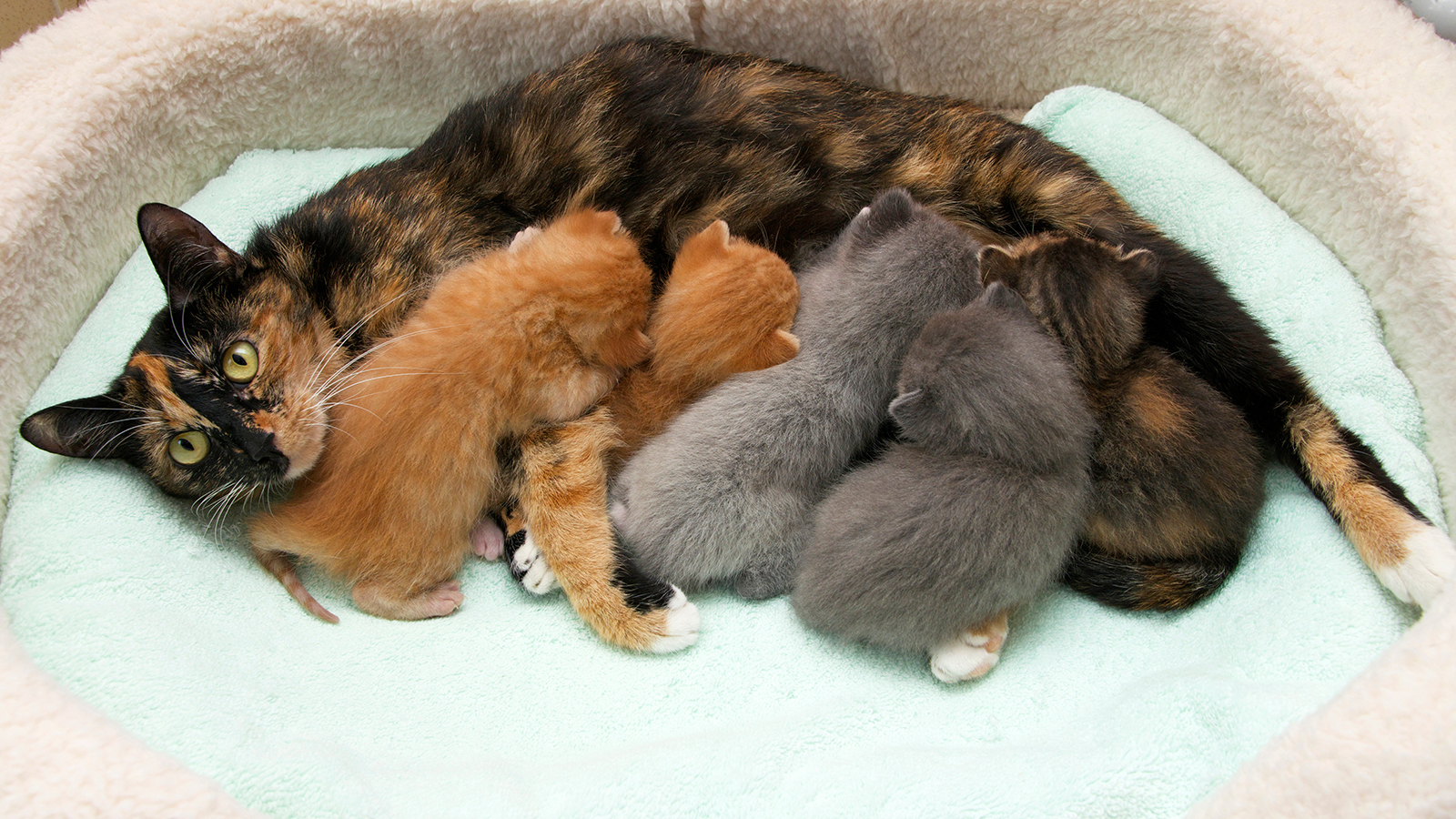
Each spring, animal shelters see a significant increase in kitten litters as cats begin giving birth at higher rates. This time of year — commonly known as kitten season — brings an influx of vulnerable kittens into shelters and rescue organizations. Kitten season in Virginia typically lasts from April through October. During this time, shelters prepare for a surge in need — gathering essential supplies, recruiting foster caregivers, and dedicating extra time and resources to save the lives of thousands of kittens. 

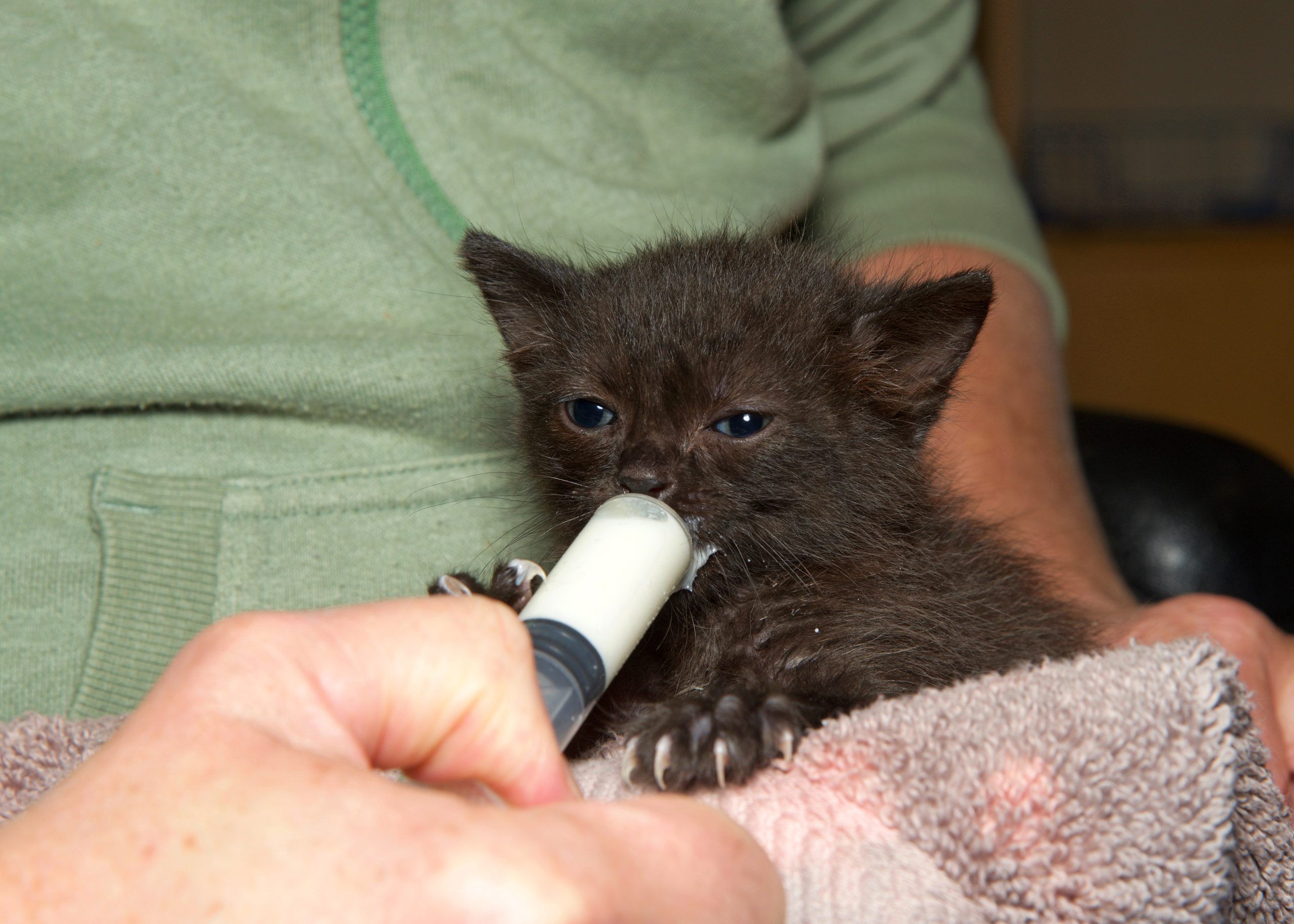
Orphaned kittens are among the most fragile animals we care for and often depend on foster homes to survive. These tiny kittens require bottle feeding, help staying warm, and around-the-clock care and attention. 

When kittens arrive at the shelter with their mother, they stay in our care until they are healthy and old enough for adoption. However, orphaned kittens often require much more intensive support. These young kittens are not yet able to eat on their own, regulate their body temperature, or even go to the bathroom without help. 


Foster – Orphaned neonatal kittens require bottle feeding every 3–4 hours during their first weeks of life. Their weight must be carefully monitored to ensure they are receiving proper nutrition. Richmond SPCA relies on a dedicated community of foster caregivers to provide around-the-clock care in a home environment, including overnight feedings.

FOSTER

Donate Supplies – Supporting these vulnerable kittens takes resources. Both our shelter and our foster caregivers need essential supplies to give these babies the best chance to thrive. You can help by donating items from our foster care wishlist. The most-needed supplies during kitten season include nursing kits and kitten formula, specially designed to support newborn animals. 

WISHLIST

I found a litter of kittens. What next?

If you believe you’ve found a litter of kittens in your community, the best first step is to observe from a distance. In many cases, the mother is nearby and actively caring for them. Newborn kittens depend on their mother for survival, and their best chance of growing strong and healthy is to remain with her. If the kittens appear clean, quiet, and well-fed, it’s a good sign that mom is close.

If the kittens are dirty, appear sick, or are crying continuously, contact your local shelter for guidance. If the mother is not present after a period of observation, the kittens’ only chance of survival is timely intervention, including proper care and bottle feeding.

If the kittens seem to need help but the mother is present, you should still reach out to your local shelter. This may be a situation where Trap-Neuter-Vaccinate-Return (TNVR) can help prevent future homeless litters. TNVR is a humane approach to compassionately manage unowned, free-roaming cats.